Why Are Fake Websites More Dangerous Than Counterfeit Goods?
When people think about counterfeiting, they often imagine cheap knockoff handbags or imitation sneakers sold on shady marketplaces. However, in today’s digital economy, the most dangerous counterfeits aren’t physical—they’re virtual. Fake websites that mimic legitimate brands are responsible for billions of dollars in annual losses and can destroy consumer trust faster than any fake product ever could.
As e-commerce grows, the battlefield of counterfeit activity has moved online. Instead of producing fake goods, criminals now clone entire websites, hijack logos, and trick customers into sharing their personal data or payment information. For modern businesses, combating this invisible threat requires a new kind of counterfeit protection that is designed for the digital world.
The Rise of the Digital Counterfeit
Fake websites are now one of the fastest-growing forms of online fraud. They often look identical to legitimate brand sites, using stolen images, trademarks, and even domain names that differ by only one letter. These sites can operate for weeks before detection, stealing not only money but also credibility.
The motives behind such attacks vary—from direct financial gain to reputation damage or even phishing campaigns targeting customer data. The scale of this problem is alarming: thousands of fake domains appear every day, often spreading through social media ads or search engine results.
[caption id="attachment_424" align="aligncenter" width="640"] Image by Mohamed Hassan from Pixabay[/caption]
Why Fake Websites Are a Bigger Threat Than Physical Counterfeits
Counterfeit handbags or electronics are harmful, but their impact is limited to individual purchases. Fake websites, however, can reach thousands of unsuspecting customers in hours and permanently damage a company’s reputation.
Here’s why digital counterfeits can be far more destructive:
- They spread faster. A cloned website can be replicated across multiple domains in minutes, allowing scammers to target multiple regions at once.
- They steal trust, not just money. Once customers associate your brand with fraud, it’s almost impossible to rebuild that confidence.
- They bypass traditional law enforcement. Unlike physical goods, digital copies leave no warehouse to raid or shipment to intercept.
- They target personal data. Many fake websites are designed to harvest sensitive information—emails, passwords, and credit card details.
How Businesses Can Fight Back
Defending your brand from digital counterfeits requires constant vigilance. It’s no longer enough to register your trademarks or monitor social media mentions. Companies need proactive online monitoring, fast takedown procedures, and legal coordination to remove fraudulent content as soon as it appears.
[caption id="attachment_426" align="aligncenter" width="640"]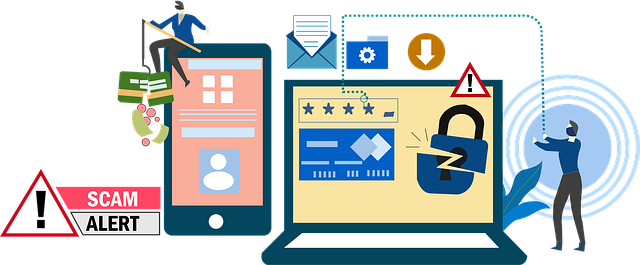 Image by Fakhruddin Memon from Pixabay[/caption]
Below are key strategies companies can adopt to reduce their vulnerability to fake websites and online impersonation:
- Monitor domain registrations. Tools that scan for similar or misspelled versions of your brand name can alert you early to potential fake sites.
- Use advanced reporting systems. Automated tools and partnerships with online protection services allow you to flag and remove counterfeit domains quickly.
- Educate customers. Teach your audience how to identify legitimate websites and report suspicious links.
- Secure your digital assets. Regularly update SSL certificates and implement two-factor authentication across admin accounts.
The Cost of Doing Nothing
Ignoring the threat of fake websites can be catastrophic. Beyond the immediate financial damage, there are long-term consequences—search engine penalties, lost brand credibility, and the erosion of customer loyalty. Rebuilding trust after such an incident is far more expensive than preventing it in the first place.
Fake websites have made counterfeiting a digital epidemic. While physical counterfeits can damage sales, digital ones can destroy reputations, hijack entire customer bases, and even lead to data breaches. For any company serious about protecting its brand, monitoring and removing online counterfeits is no longer optional—it’s essential to survival in the digital age.
Related Breaking
No related breaking.